



Roll Forming Fabrication Services
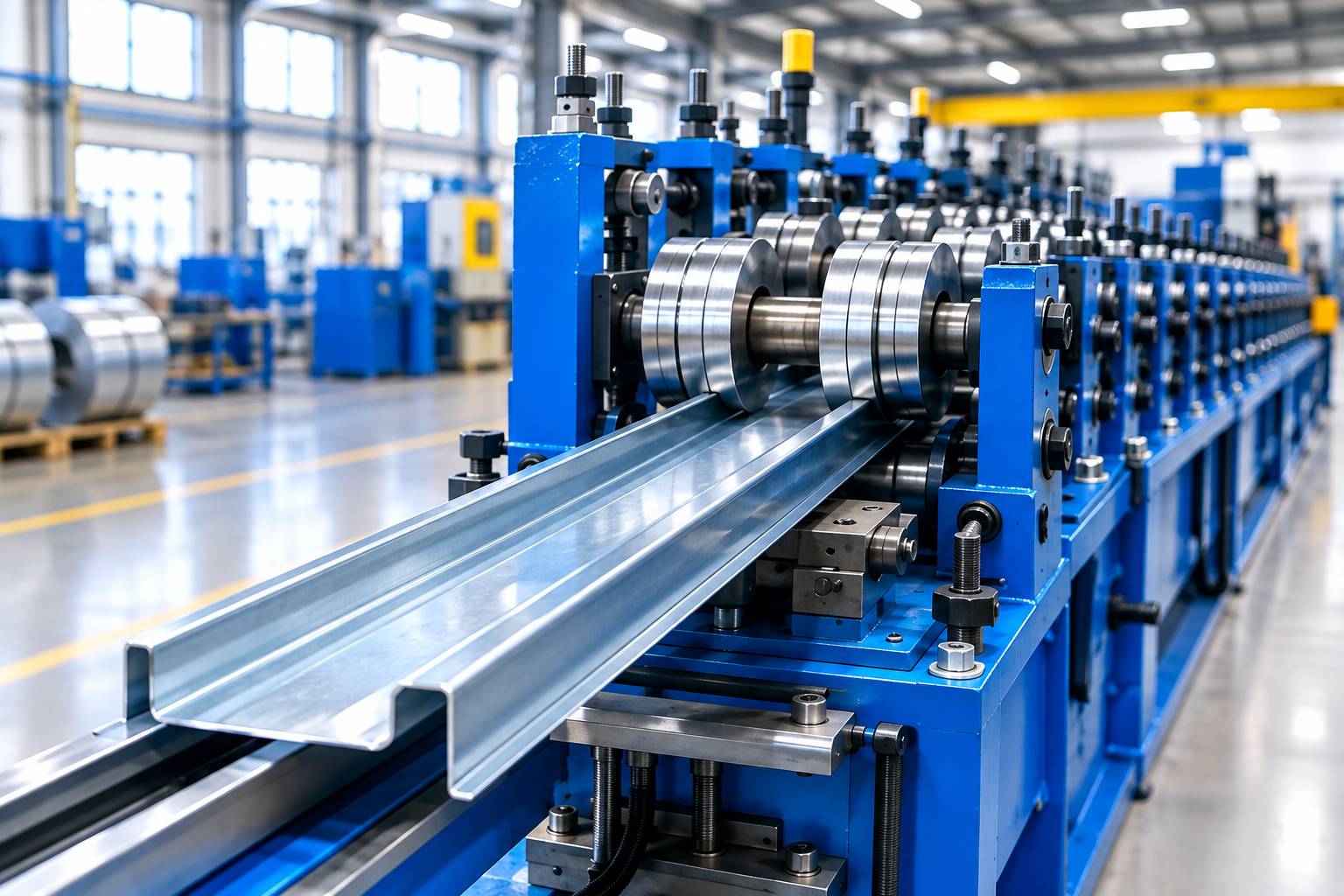
Roll Forming Fabrication Services provide an efficient manufacturing solution for producing long, continuous metal profiles with consistent dimensions, accurate shapes and repeatable quality. Roll forming is a controlled metal forming process in which sheet metal or strip material passes through a series of forming rolls to gradually achieve the required cross-sectional profile.
Pitrukrupa Engineering provides engineering-focused Roll Forming Fabrication Services for customers requiring custom metal profiles, formed sections, structural components and application-specific parts. The manufacturing approach can be developed according to customer drawings, material specifications, dimensions, tolerances, profile geometry and production requirements.
Roll forming is particularly useful for components that have a consistent cross-section along their length. It can produce straight, curved, channel-shaped, angle-shaped, U-shaped, C-shaped, Z-shaped and other customized profiles depending on the required design.
What Is Roll Forming?
Roll forming is a continuous metal forming process used to transform flat sheet or strip material into a predetermined profile. The material moves through multiple sets of rollers, with each stage gradually forming the metal until the desired cross-sectional shape is achieved.
Unlike a single-step bending operation, roll forming distributes the forming process across multiple stations. This controlled progression helps produce long metal profiles with consistent geometry.
A typical roll forming process involves:- Sheet or strip material preparation
- Material feeding
- Progressive roll forming
- Profile shaping
- Cutting to required length
- Dimensional inspection
- Finishing and packing
The exact process depends on the profile design, material, thickness, dimensions, and production volume.
Custom Roll Forming Services
Different manufacturing applications require different metal profile geometries. Custom Roll Forming Services allow manufacturers to produce profiles according to specific engineering requirements instead of relying on standard sections.
Pitrukrupa Engineering can support custom requirements based on:- Customer drawings
- CAD designs
- Profile dimensions
- Material grade
- Material thickness
- Cross-sectional geometry
- Length requirements
- Tolerances
- Production quantity
- Application requirements
Custom roll forming is particularly suitable when a component requires a specific profile that cannot be efficiently produced using standard commercial sections.
Roll Forming Fabrication Process
A well-controlled manufacturing process is essential for achieving consistent roll formed components.
1. Drawing and Profile Analysis
The process begins by reviewing the customer drawing and understanding the required cross-sectional profile, dimensions, material, thickness, tolerances, and final component length.
The profile geometry is an important factor in determining the appropriate roll forming sequence.
2. Material Selection
The material is selected according to the application and required mechanical properties.
Depending on the component, suitable materials may include:- Mild steel
- Stainless steel
- Aluminium
- Galvanized steel
- Other engineering metals
Material selection can affect strength, corrosion resistance, formability, weight, surface finish, and overall component performance.
3. Roll Tooling Preparation
Roll forming requires a series of forming rolls designed to progressively transform the flat material into the required profile.
The tooling configuration is developed according to the component geometry and forming requirements.
4. Material Feeding
The sheet or strip material is continuously introduced into the roll forming line. Controlled feeding helps maintain consistent material positioning throughout the process.
5. Progressive Forming
The material passes through multiple roll stations. Each station performs a controlled amount of forming until the final cross-sectional shape is achieved.
This gradual forming approach helps produce long profiles with consistent geometry.
6. Cutting
Once the required profile has been formed, the continuous section can be cut into predetermined lengths according to customer specifications.
7. Inspection
Finished components are inspected for critical dimensions, profile geometry, length, straightness, and other specified requirements.
8. Finishing and Delivery
Where required, suitable finishing operations can be considered according to the application. Finished components are then prepared for packaging and delivery.
Precision Roll Forming Services
Precision Roll Forming Services are useful when metal profiles must maintain consistent dimensions throughout production.
Important characteristics can include:- Profile width
- Profile height
- Bend angles
- Material thickness
- Overall length
- Cross-sectional geometry
- Straightness
- Hole positioning
- Surface condition
- Dimensional repeatability
For components that need to fit into larger assemblies, maintaining the specified profile geometry is particularly important.
Types of Roll Formed Profiles
Roll forming can produce a wide range of customized profiles depending on tooling and application requirements.
Common profile configurations include:- C Profiles: C-shaped sections are frequently used for structural, framing, support, and industrial applications.
- U Profiles: U-shaped profiles can be used for channels, supports, frames, guides, and other applications.
- Z Profiles: Z-shaped profiles are useful for structural and architectural applications where a specific offset profile is required.
- Angle Profiles: Custom angle sections can be produced according to required dimensions and bend configurations.
- Hat Profiles: Hat-shaped sections can provide additional structural characteristics while maintaining a specific profile geometry.
- Custom Profiles: Specialized profiles can be developed when the customer's application requires a unique cross-sectional design.
Materials Used in Roll Forming
Material selection plays an important role in roll forming because different metals have different forming characteristics.
- Mild Steel: Mild steel is widely used for industrial profiles because it offers a useful combination of strength, formability, availability, and cost effectiveness.
- Stainless Steel: Stainless steel can be selected when corrosion resistance, durability, and strength are important.
- Aluminium: Aluminium is suitable for applications where lightweight construction, corrosion resistance, and specific material characteristics are required.
- Galvanized Steel: Galvanized steel can provide improved corrosion resistance for applications exposed to environmental conditions.
The appropriate material should be selected according to the component's operating environment, required strength, forming characteristics, and engineering specifications.
Applications of Roll Formed Metal Profiles
Roll-formed components are used across many industrial and engineering applications because the process is well suited to producing long profiles with consistent cross-sections.
Typical applications include:- Industrial machinery
- Automotive components
- Construction equipment
- Electrical enclosures
- Structural frames
- Metal channels
- Support sections
- Mounting profiles
- Equipment frames
- Industrial racks
- Panels and structural sections
- General engineering components
The final application determines the required material, profile geometry, thickness, dimensions, and surface requirements.
Roll Forming for Industrial Components
Industrial equipment frequently requires long metal sections with repeatable geometry. These profiles may function as supports, frames, channels, guides, covers, mounting sections, or structural members.
Roll Forming Fabrication Services can provide an efficient manufacturing approach when the same profile needs to be produced repeatedly at defined lengths.
Roll Forming for Automotive Components
Automotive manufacturing can require lightweight yet durable formed metal profiles for structural, support, mounting, and assembly applications.
Custom roll forming can help produce application-specific profiles where consistent geometry and repeatability are important.
Roll Forming for Construction and Structural Applications
Roll formed sections are also used in various structural and construction-related applications.
Depending on the design, profiles can be manufactured for:- Frames
- Supports
- Channels
- Rails
- Structural sections
- Panels
- Mounting systems
- Equipment supports
The profile is designed around the required load, dimensions, material, and installation requirements.
Benefits of Roll Forming Fabrication
Roll forming provides several advantages for suitable metal profile applications.
- Consistent Profile Geometry: Multiple forming stages help produce repeatable cross-sectional shapes throughout production.
- Suitable for Long Components: The continuous process is particularly suitable for manufacturing long metal profiles.
- High Production Efficiency: Once tooling and process parameters are established, continuous production can provide efficient output.
- Custom Profile Capability: Tooling can be designed around application-specific cross-sectional geometries.
- Repeatable Production: The process can support repeat manufacturing requirements where consistent profiles are needed.
- Material Efficiency: Roll forming gradually shapes the material instead of removing large amounts of material through machining.
- Reduced Secondary Forming: For suitable designs, the required profile can be produced directly through progressive forming, potentially reducing additional bending operations.
Quality Control for Roll Forming
Quality control is important for maintaining profile consistency throughout a production run.
Critical inspection parameters may include:- Material thickness
- Profile dimensions
- Bend angles
- Cross-sectional geometry
- Component length
- Straightness
- Hole position
- Surface condition
- Edge quality
- Dimensional repeatability
Inspection requirements can be established according to the critical characteristics specified by the customer.
Why Choose Pitrukrupa Engineering?
Pitrukrupa Engineering focuses on providing practical engineering manufacturing solutions based on customer-specific requirements.
Our manufacturing approach considers:- Technical drawings
- Profile geometry
- Material requirements
- Component dimensions
- Tolerances
- Production quantities
- Application requirements
- Quality expectations
For businesses searching for a dependable Roll Forming Manufacturer, the right manufacturing partner should be able to understand the complete component requirement rather than focusing only on the forming operation.
Pitrukrupa Engineering works toward producing custom metal profiles with attention to dimensional consistency, application suitability, and repeat production requirements.
Industries Served
Roll formed metal components can support requirements across various industries, including:- Automotive
- Industrial machinery
- Engineering
- Electrical and electronics
- Construction
- Manufacturing
- Equipment manufacturing
- Infrastructure
- General industrial applications
The manufacturing process can be adapted according to the specific requirements of each application.
Roll Forming Fabrication Services for Custom Metal Profiles
When a project requires a long metal profile with a consistent cross-section, Roll Forming Fabrication Services can be an effective manufacturing solution. The process combines progressive forming, custom tooling, controlled material feeding and dimensional inspection to produce application-specific profiles.
Pitrukrupa Engineering provides engineering-focused solutions for businesses requiring custom roll-formed components based on drawings, specifications, materials, dimensions and production requirements.
Whether the requirement is for industrial channels, structural profiles, mounting sections, equipment components, or specialized metal shapes, the manufacturing process can be planned around the required profile geometry and application.
Get Custom Roll Forming Fabrication Services
Looking for Roll Forming Fabrication Services for your industrial or engineering components?
Pitrukrupa Engineering can support custom requirements based on your drawing, CAD design, material specification, profile dimensions, thickness, tolerances, required length and production quantity.
Share your component requirements with Pitrukrupa Engineering to discuss a suitable roll forming fabrication solution for your application.