



Metal Stamping Company
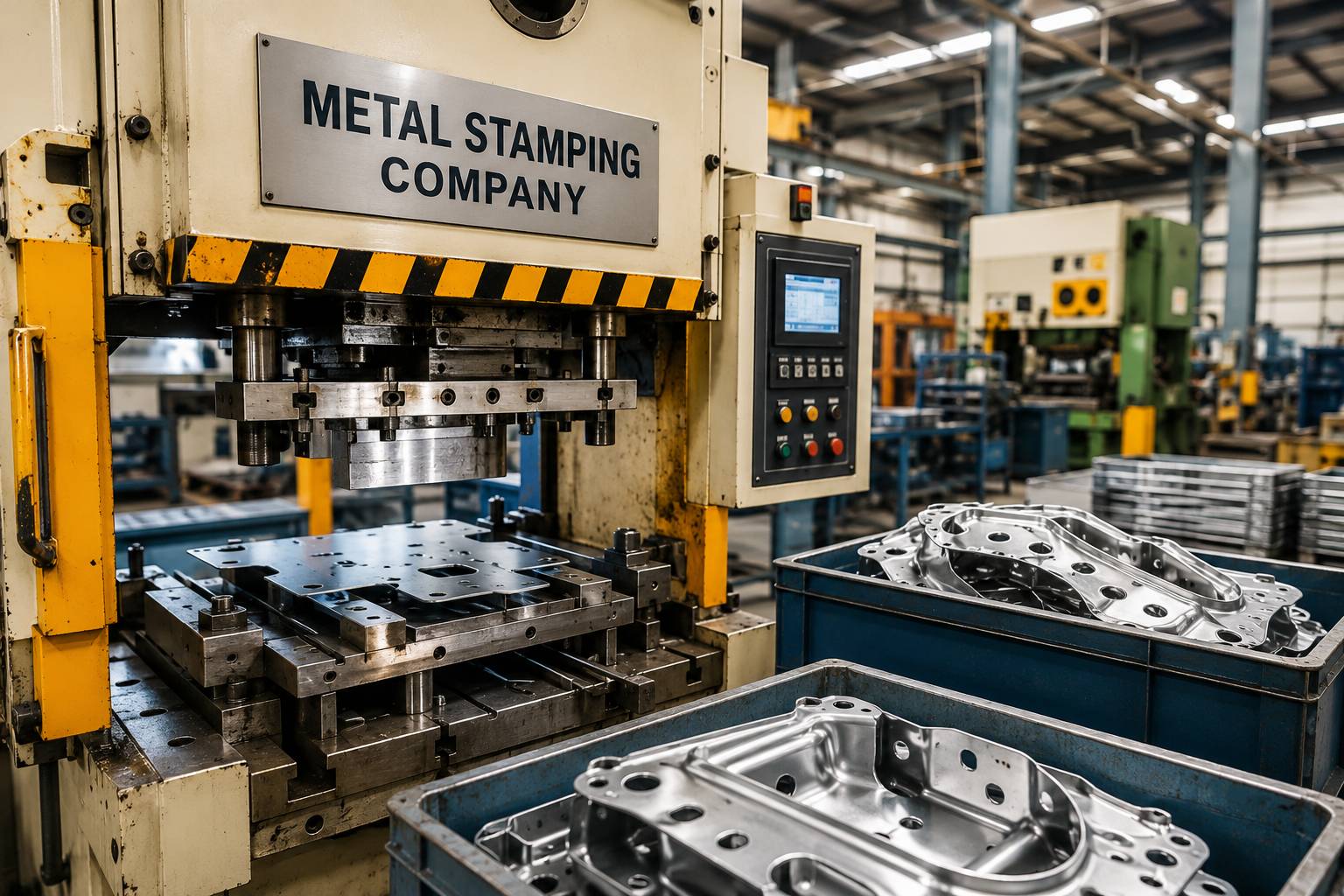
Metal stamping is a highly efficient manufacturing process used to produce accurate and repeatable metal components for a wide range of industrial and engineering applications. A reliable Metal Stamping Company helps manufacturers convert sheet metal or metal blanks into application-specific components using controlled pressing and forming operations.
Pitrukrupa Engineering provides manufacturing solutions for customers requiring custom metal stamping components manufactured according to technical drawings, dimensions, material specifications, and production requirements. Our focus is on delivering components with consistent geometry, reliable dimensional accuracy, and suitability for their intended application.
Metal stamping can be used to manufacture a wide variety of components, including brackets, plates, clips, covers, supports, washers, terminals, mounting parts, and other customized metal products. Depending on the component design, the process can incorporate cutting, punching, bending, forming, and other controlled operations.
For businesses looking for dependable Metal Stamping Services, selecting an experienced manufacturing partner is important for achieving consistent quality, repeatability, and production efficiency.
What Is Metal Stamping?
Metal stamping is a manufacturing process in which sheet metal or metal blanks are pressed into a desired shape using a stamping press and dedicated tooling. The process applies controlled force to cut, bend, punch, draw, or form the material according to the required component design.
The basic process uses a combination of:- Stamping press
- Dies and tooling
- Sheet metal or metal blanks
- Controlled forming force
- Component-specific tooling
The resulting component can be manufactured with a specific profile, hole pattern, bend, shape, or formed geometry.
Unlike conventional machining, which removes material to create a component, stamping can manufacture many components by transforming sheet material through controlled press operations. This makes it particularly useful for repeat production and applications where consistent component geometry is required.
Custom Metal Stamping Services
Different industries require different component designs, materials, thicknesses, tolerances, and production volumes. Custom Metal Stamping allows components to be manufactured according to specific customer requirements rather than relying on standard parts.
Pitrukrupa Engineering supports custom stamping requirements based on:- Customer drawings
- CAD designs
- Component dimensions
- Material specifications
- Sheet thickness
- Required tolerances
- Component geometry
- Production quantity
- Application requirements
Custom stamping can be suitable for both relatively simple components and parts that require multiple forming operations.
Precision Metal Stamping
When stamped components are used in mechanical or industrial assemblies, dimensional consistency is essential. The position of holes, bend angles, component length, width, thickness, and overall geometry may directly affect assembly and functionality.
Precision Metal Stamping focuses on maintaining the required component dimensions and repeatability during production.
Important parameters may include:- Material thickness
- Hole diameter
- Hole location
- Bend angle
- Overall dimensions
- Formed geometry
- Edge condition
- Tooling accuracy
- Component repeatability
A controlled manufacturing process helps ensure that repeated batches of components remain consistent with the approved specifications.
Metal Stamping Manufacturing Process
The exact stamping process depends on the component design, material, thickness, tooling, and production volume. However, a typical manufacturing workflow includes several important stages.
1. Drawing and Requirement Analysis
The process starts with reviewing the customer's drawing, CAD data, material requirements, dimensions, tolerances, and application requirements.
This stage helps determine the appropriate manufacturing approach and tooling requirements.
2. Material Selection
The material is selected based on the component's mechanical, environmental, and functional requirements.
Common materials used for stamping applications can include:- Mild steel
- Stainless steel
- Aluminium
- Brass
- Copper
- Other suitable engineering metals
Material thickness is also considered because it influences tooling, forming behavior, strength, and finished component performance.
3. Tool and Die Preparation
Stamping requires suitable tooling to produce the required component geometry. The die configuration is developed according to the shape and operations needed for the component.
Depending on the design, tooling may support operations such as punching, blanking, bending, forming, or other stamping operations.
4. Sheet Preparation
The selected sheet or coil material is prepared according to the production requirements. Proper material preparation helps maintain consistent feeding and component production.
5. Stamping and Forming
The material is positioned in the stamping tool, and controlled press force is applied to create the required component shape.
Depending on the component, multiple operations may be required to achieve the final geometry.
6. Inspection
Manufactured parts are checked against the required dimensions and specifications. Inspection can focus on critical dimensions, hole locations, bend geometry, surface condition, and overall component shape.
7. Finishing and Delivery
Where required, suitable secondary operations or surface treatments can be considered according to the customer's application requirements. Finished components are then prepared for delivery.
Types of Metal Stamping Operations
Different stamping operations can be used depending on the required component geometry.- Blanking: Blanking separates a specific profile from a sheet of metal. The resulting blank can then be used directly as a component or undergo additional forming operations.
- Punching: Punching creates holes or openings in sheet metal using a punch and die. Hole size, location, and consistency are important considerations for components used in assemblies.
- Bending: Bending changes the angle of a metal sheet without completely separating the material. It is commonly used for brackets, supports, mounting components, and structural parts.
- Forming: Forming creates a three-dimensional shape from flat sheet material. The operation can be used when components require curves, channels, raised sections, or other formed geometries.
- Drawing: Drawing can transform sheet metal into deeper or more complex shapes by controlling the movement of material through a die.
The appropriate operation depends on the component's geometry, material characteristics, thickness, and production requirements.
Materials for Metal Stamping
Material selection is an important part of successful stamping. Different metals offer different levels of strength, ductility, corrosion resistance, conductivity, weight, and formability.
- Mild Steel: Mild steel is widely used for industrial components because of its strength, availability and formability.
- Stainless Steel: Stainless steel can be selected for applications where corrosion resistance, durability, and strength are important.
- Aluminium: Aluminium is useful where lightweight construction, corrosion resistance, and specific material characteristics are required.
- Brass: Brass offers useful combinations of machinability, corrosion resistance, appearance, and electrical properties for selected applications.
- Copper: Copper can be suitable for components requiring electrical and thermal conductivity.
The correct material should be selected based on the component's operating environment and engineering requirements rather than simply choosing a material based on cost.
Applications of Metal Stamping Components
Stamped metal components are used across numerous industries because the process can produce repeatable parts efficiently.
Common applications include:- Automotive components
- Electrical components
- Electronic hardware
- Industrial machinery
- Engineering equipment
- Appliance components
- Electrical enclosures
- Mounting brackets
- Supports and clips
- Fastening components
- Hardware products
- Mechanical assemblies
The final component design depends on the specific application and functional requirements.
Metal Stamping for Automotive Components
The automotive industry requires large numbers of reliable metal components with consistent dimensions and repeatable geometry.
Metal Stamping Services can be used for manufacturing application-specific automotive parts such as brackets, mounting components, clips, supports, shields, and other formed metal parts.
For automotive production, consistency is especially important because components often need to fit into larger assemblies with defined dimensional requirements.
Metal Stamping for Electrical and Electronics
Electrical and electronic products frequently use small metal components for mounting, connecting, shielding, supporting, and securing different parts.
Stamped metal components can be manufactured with defined profiles, holes, tabs, bends, and other features required for electrical or electronic assemblies.
Depending on the application, materials such as copper, brass, stainless steel, or aluminium may be considered.
Benefits of Metal Stamping
Metal stamping offers several advantages for suitable component designs and production requirements.
- High Production Efficiency: Once the appropriate tooling and process are established, stamping can produce repeated components efficiently.
- Consistent Component Geometry: Controlled tooling helps maintain repeatability across production batches.
- Suitable for Custom Designs: Custom tooling can be developed around application-specific component requirements.
- Efficient Material Utilization: Properly designed stamping processes can make efficient use of sheet material and reduce unnecessary material removal.
- Repeat Production: Stamping is well suited to customers requiring consistent quantities of the same component over repeated production cycles.
- Multiple Operations: Depending on the tooling arrangement, several operations can be incorporated into a manufacturing sequence.
- Reduced Per-Part Cost at Volume: For suitable high-volume applications, tooling and process efficiency can help reduce the manufacturing cost per component.
Metal Stamping for Low, Medium and High Production Requirements
Production requirements vary between customers. Some projects require prototype or smaller batches, while established products may require repeat or higher-volume production.
A suitable stamping approach can be selected based on:- Required production quantity
- Component complexity
- Tooling investment
- Material type
- Sheet thickness
- Component dimensions
- Required production frequency
For high-volume applications, dedicated tooling can provide repeatability and production efficiency. For lower-volume requirements, the manufacturing strategy can be planned according to the component design and economic requirements.
Why Choose Pitrukrupa Engineering for Metal Stamping?
Pitrukrupa Engineering focuses on providing engineering-oriented manufacturing solutions for customers requiring custom metal components.
Our approach is based on understanding the customer's:- Component design
- Material requirements
- Dimensional specifications
- Production quantity
- Application
- Quality expectations
- Delivery requirements
As a Metal Stamping Company, our goal is to provide practical manufacturing support for businesses requiring accurate, repeatable, and application-specific stamped metal components.
From custom brackets and clips to industrial formed components, stamping requirements can be developed according to customer drawings and technical specifications.
Industries We Support
Custom metal stamping can support component requirements across various sectors, including:- Automotive
- Electrical
- Electronics
- Industrial machinery
- Engineering
- Appliances
- Manufacturing
- General hardware
- Mechanical equipment
- Industrial equipment
The appropriate stamping process and material depend on the specific requirements of each industry and component.
Metal Stamping Company for Custom Industrial Components
Choosing the right Metal Stamping Manufacturer can make a significant difference in component consistency, production efficiency, and overall manufacturing reliability.
Pitrukrupa Engineering works with customer-specific requirements to manufacture metal components according to drawings, specifications, materials, dimensions, and production quantities.
Our focus is not simply on producing stamped parts but on developing a manufacturing approach that aligns with the component's intended application and technical requirements.
Get Custom Metal Stamping Services
If you are searching for a Metal Stamping Company for custom industrial components, precision stamped parts, brackets, clips, mounting components, or other application-specific metal products, Pitrukrupa Engineering can support your manufacturing requirements.
Share your component drawing, material specification, dimensions, required quantity, and technical requirements with Pitrukrupa Engineering to discuss a suitable custom metal stamping solution for your application.